
Looking for Light
Centrists cynically capitulate, a Blue wave begins to form, and yours truly works to stay afloat amidst it all.

Getting Through the Darkness
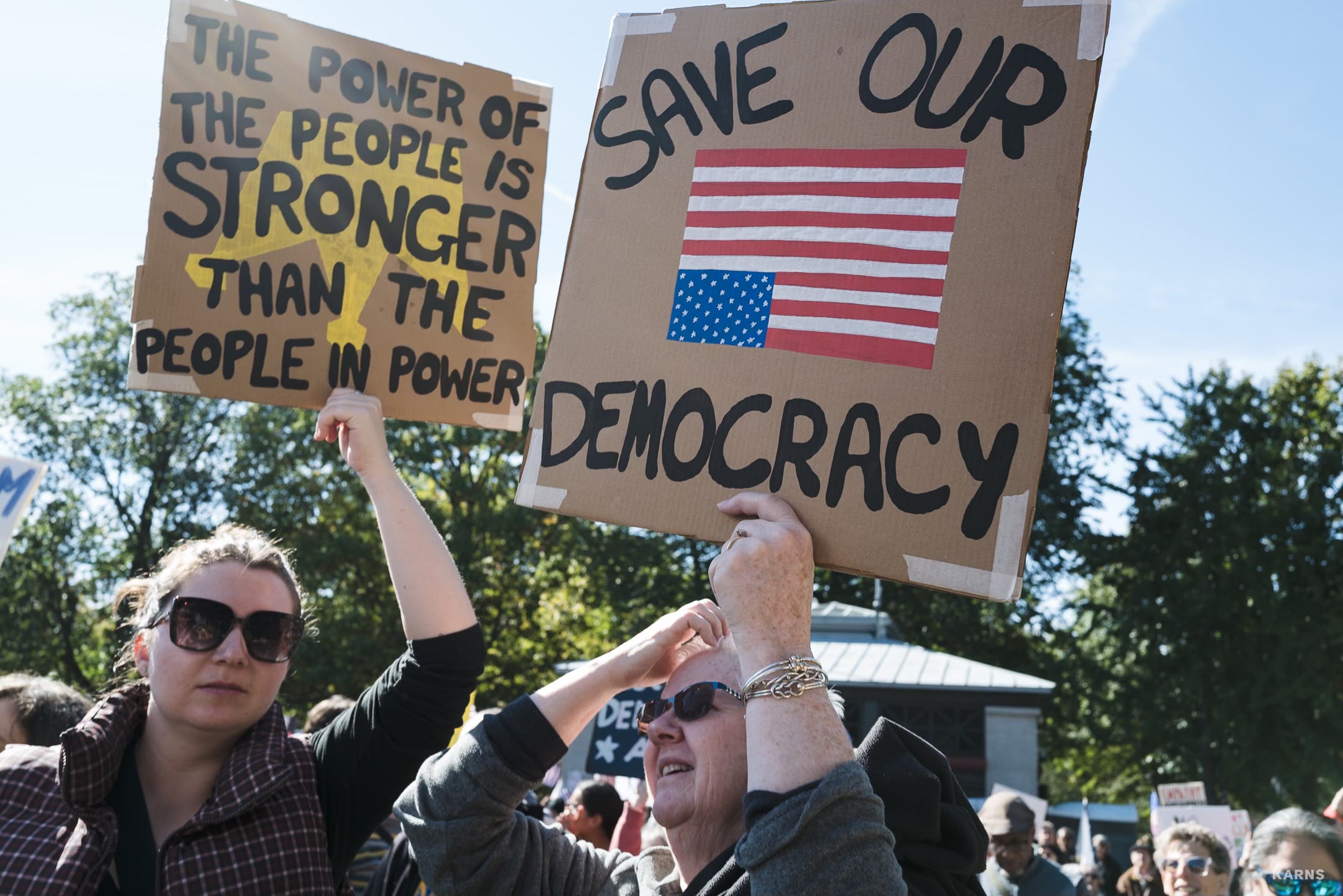
As I write this, the news just dropped that a group of eight centrist Democrats, including my former neighbor Tim Kaine, agreed to a continuing resolution to end the government shutdown. I understand the calculations — get government workers paid again, fund SNAP through next year, try to stave off damage to the travel industry ahead of the holidays, and appear to be willing to “work for Americans” — and abhor the capitulation. Clearly, it isn’t popular in the caucus, either, since even John Warner is splitting with Kaine.
Senate Leader John Thune has supposedly “pledged” to allow a floor vote in December on extending the ACA subsidies in exchange for this break in the caucus. I’d really like to ask them if they’re also in the market for a bridge, because the idea that Republicans will actually move to extend the subsidies once they’ve shown that they will is laughable, let alone the question of whether any extensions will make it through the House. Then again, the coalition was led by Jeanne Shaheen who has little at stake electorally since she already announced plans to step down and Kaine who isn’t up for reelection until 2030.
Unfortunately, even the messaging is a joke. Nevada Senator Catherine Cortez-Masto had the temerity to say that “the Republicans have to come to the table now, and the American people will see where they really stand.” Did she miss the extensive polls that showed that Democrats nationwide wanted them to hold the line on healthcare? Do the eight senators really think that the vote will happen or is this a cynical gift to Republicans in the name of centrism? Or, if you want to get really cynical, is this just a way for Schumer to end the shutdown without appearing to be the one who caved?
This is incredibly personal to me because there is no way I will be able to afford a more expensive plan given the inconsistency of my project work right now. A lesser plan is also not an option with cirrhosis, since it leaves me vulnerable to collateral surprises like receding gums. (Did you know that compromised liver function affects such things? I do now.) I’ve also been looking into more structured support for PTSD after the series of episodes this year, and losing the mental health component of my plan would spike that.
So, yeah, I’m keeping my eye on this with deep personal stakes.
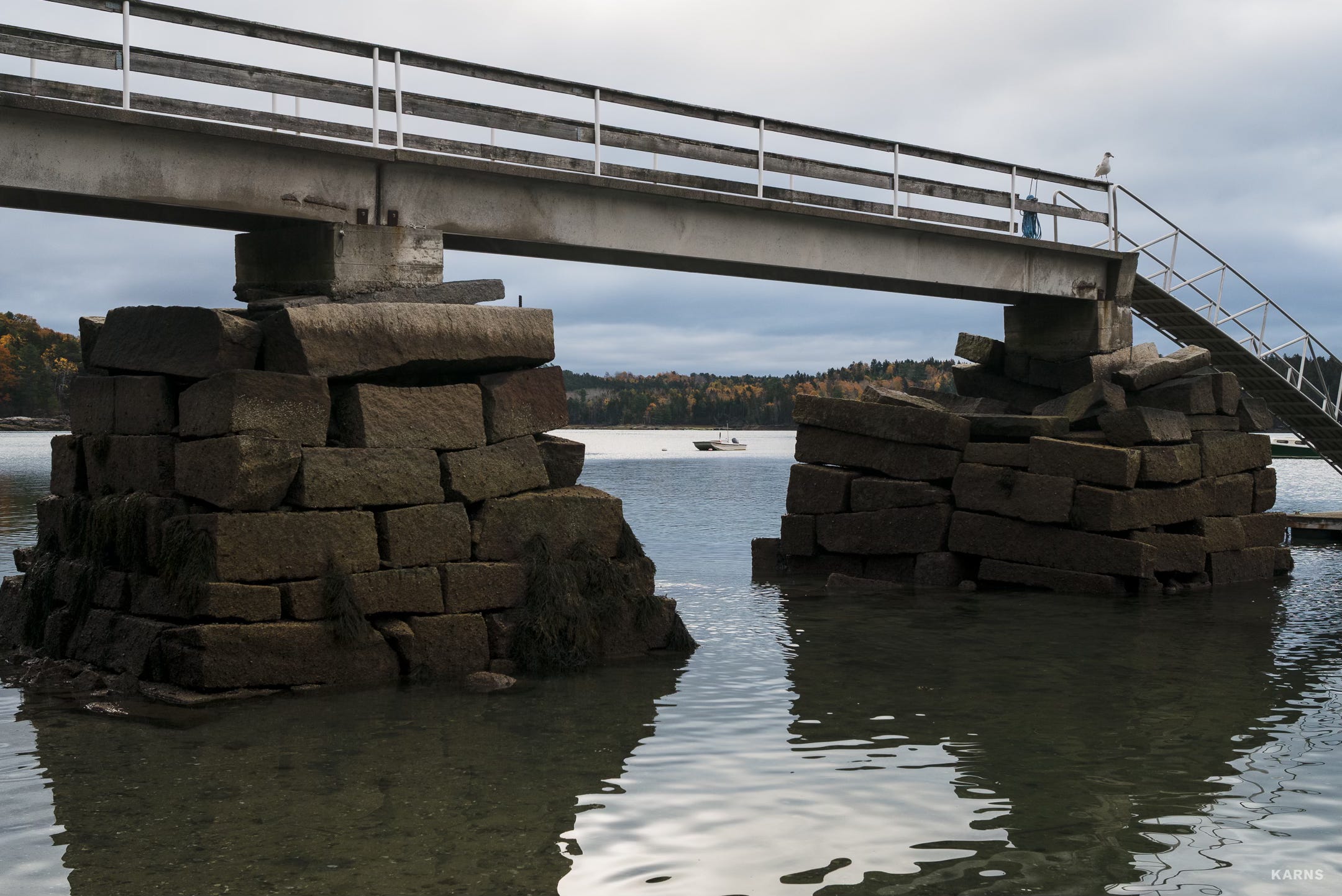
I suppose the one positive is that this comes on the heels of an election that gave us a glimmer of hope after an awful year of destruction.
There was certainly a Blue wave. I’m not ready to consider it a true victory until we see how things shake out next year. Schumer and the centrists have been working overtime to point out that Spanberger and Sherrill are centrists who won in landslides. They’ve also been working very hard to push the narrative that Mamdani won by a sliver and generally been quiet on the ballot initiatives in Maine.
Here’s why this matters:
Spanberger was a solid candidate who faced a historically terrible opponent. Her win is less significant than the wins of Jay Jones who Republicans couldn’t effectively smear with his old text messages and Ghazal Hashmi who becomes the first elected Muslim woman in the country, and the overall Blue shift of almost every district in the state.
The biggest news in NJ was the size of Sherrill’s win. Following up a popular Democratic governor in a Blue state in a year when people are angry at Republicans isn’t really news on its own, and even Sherrill added progressive points to her platform at the end of the race.
Mamdani’s win was historic on multiple levels. He becomes the youngest mayor of one of the most important cities in the world and does so after the largest voter turnout since 1969. While his overall win over the combined vote totals of Cuomo and Sliwa was only one percent, he defeated the tainted scion of a family that has been at the heart of New York politics since 1974 and completely marginalized the founder of the Guardian Angels, who’s been active in New York City politics almost as long. The fact that he is a Muslim Democratic Socialist makes it even sweeter, if you’re a progressive.
Maine rejected an initiative that would have severely restricted voting and approved a ballot question putting red flags law in place. Given Maine’s hunting culture, it traditionally has had strong support overall for the Second Amendment, but the 2023 mass shooting in Lewiston was enough to change attitudes. This matters, however, because Graham Platner pivoted his senate campaign to a grassroots push on the initiatives, and turnout appears to have been over 50%.
The final numbers haven’t been tallied yet, but early indications are that young voters turned out in much higher numbers than in previous off-year elections.
The party leadership would be wise to look past its typical deference to Boomers and billionaires, given these results. Millennials won the day, particularly women and non-White candidates, propelled by a rising Zoomer class, and a former Marine and shooting instructor for the Socialist Rifle Club of America nailed a grassroots win on a third-rail issue. Continuing this momentum means acknowledging that younger voters matter and that it is possible to win by calling out income inequality and taking action on guns.
I sincerely hope we can keep up the momentum and not lose it to senators like Jeanne Shaheen and Dick Durbin who have nothing to lose because they’re stepping down or to DSCC consultants working to divide elections in Maine and elsewhere.
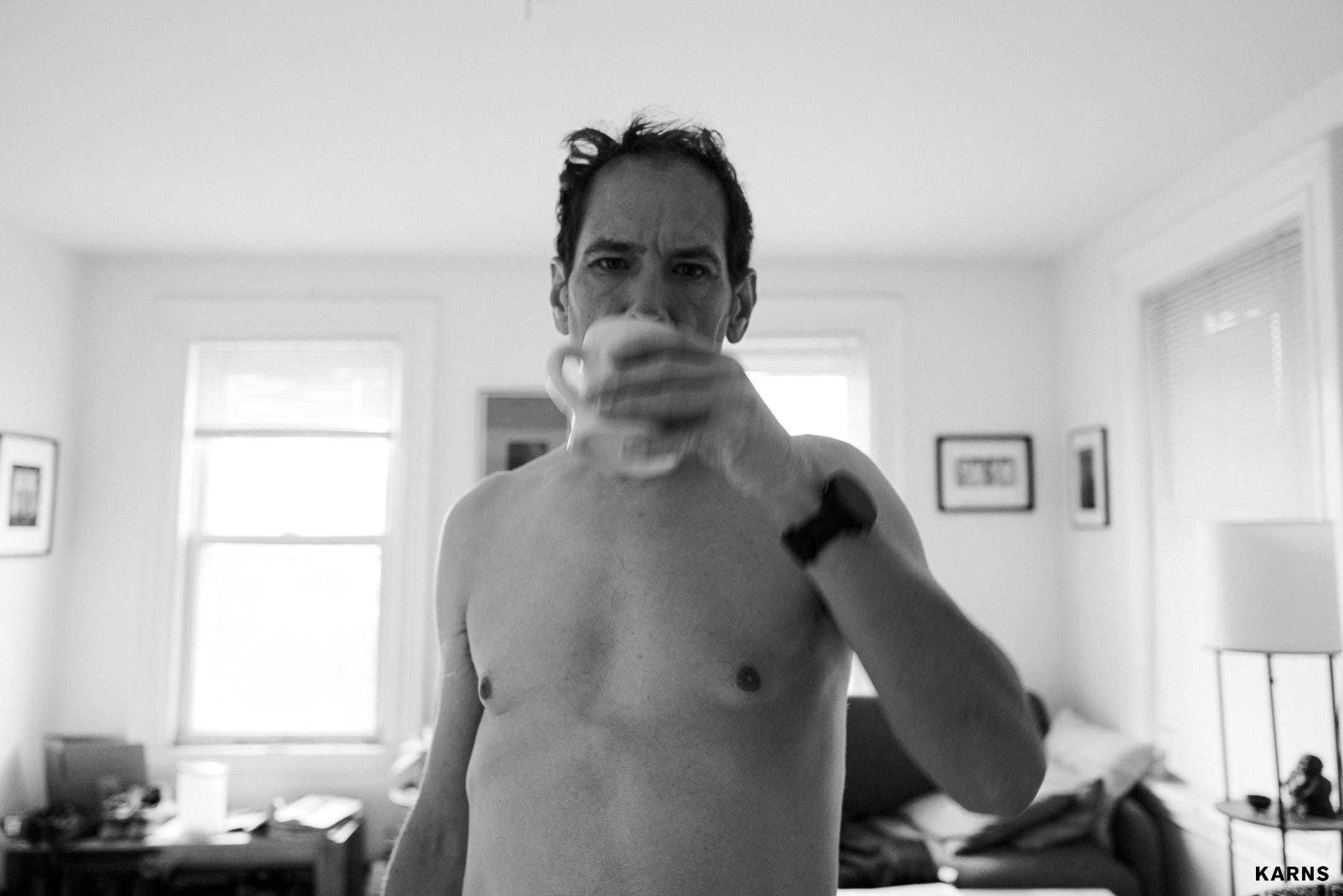
So, those personal stakes…
I turned fifty-five two weeks ago, and it wasn’t an easy birthday. As I’ve written before, this year has been more than a little challenging, and the past few months have been filled with PTSD episodes. They’ve also been wildly inconsistent for work, with projects launching and then pausing and contracts that are only binding on hourly pay, not consistency of work. The result is that I haven’t had a solid week of work or an income I could rely on since July.
It’s unsustainable on multiple levels, not least because I am completely tapped out financially. Any savings or retirement funds I had are gone, and money I spent this year to advance my career, like the Copenhagen trip, hasn’t resulted in any job offers. On top of that, I haven’t had the resources to follow up on any connections I made for photography or other creative work, let alone the budget to support a food-oriented newsletter.
The ego hits have been particularly rough. It’s been 10 years since my last role in marketing and communications, and while I still have the chops, I haven’t been able to get back on track. Hell, I couldn’t even score an interview at Brandeis, my alma mater, for a role that was on my exact trajectory six years ago. Full-time work aside, I’ve historically been able to scare up consistent freelance work, and every indication I had between 2023 and early 2025 was that AI model development — aka data annotation — would continue to be that path. While that’s true for some of my colleagues, it hasn’t been the same for me.
I’ve struggled with increasingly virtual work environments. One reason I leaned into the outdoor industry after I got sober was because it was physical and tangible — I could move and see the results of my work. This is also one of the things that draws me to photography. Activities that mean sitting in front of a screen for hours, including writing, need to have a steady rhythm so I can stay focused. AI development, however, means juggling scattered channels between communications platforms, databases, and model development tools. It’s a skill I had when I was first managing social media channels and working on the early stages of Ardent, but in recent years, the always-on rhythm of multiple channels and notifications has become a low-grade PTSD trigger, which complicates pivoting to new projects whenever a notification hits.
I’ve got much, much more to say about AI development, both the practice and industry, but I’m going to save that for the next post. This one is about the here and now where my reality is pretty dire.
On (virtual) paper, I have multiple contracts that pay between $40 and $70 an hour for relatively easy work. It would be more than enough to keep me fluid and pay past-due bills and debts if I even worked 30 hours a week. Since projects have been in such flux, however, I am literally at the end of my rope and not sure whether I can stay in Boston much longer. The kicker is that my situation doesn’t get much better if I leave, since Maine is my only option and is not feasible long-term. In addition, the debts will still exist, and I’d be in a remote place where I only know a few people.
So, yeah… I don’t know what I’m going to do, and the precariousness of healthcare costs combined with a generally shitty job market, especially for people in their fifties, is pretty damn depressing. On my worst days, I wonder why I worked so hard to get sober and on physical and emotional recovery if my trajectory was going to fall apart like this. It’s not a rational thought, I know, but despair makes everything darker and every encouragement harder to trust.
If you’ve made it this far, thank you. I’m still putting one foot in front of the other, but it’s been harder than usual lately.
Stay tuned for a much less depressing post about AI later this week.